Koognaasewin
Reimagining Indigenous child and family well-being systems and law
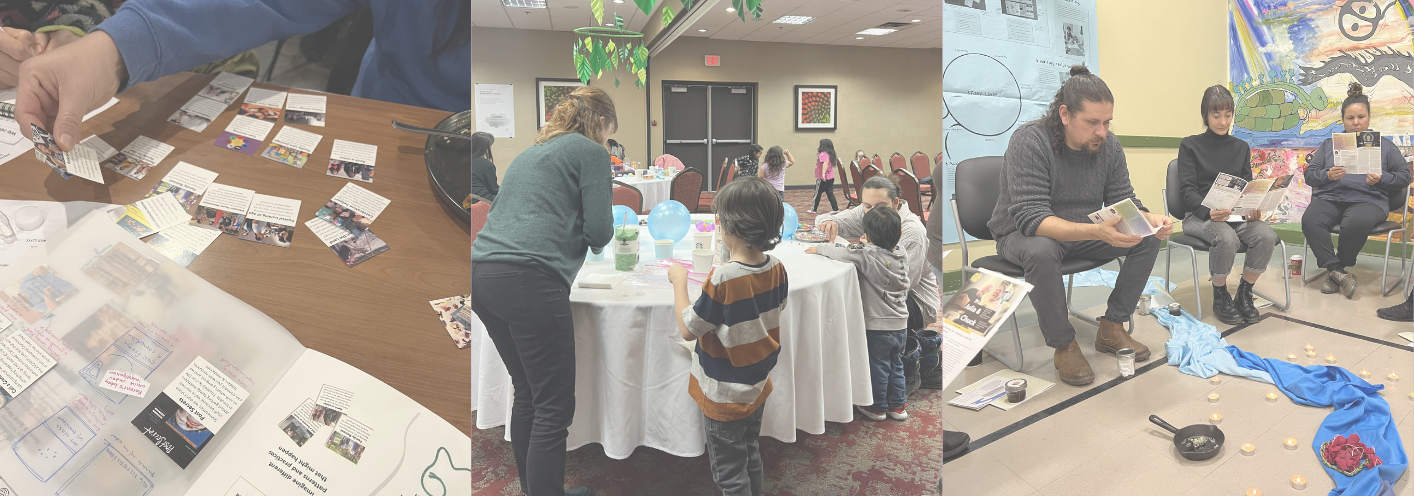
Context
In 2020, Bill C-92 came into effect, finally enshrining into law what Indigenous peoples across Canada have asked of governments for decades: to affirm and recognize their jurisdiction over child and family services. It recognized Indigenous communities’ sovereignty to develop policies and laws based on their particular histories, cultures, and circumstances.
The North Shore Tribal Council invited our team to support their reimaging process through a multi-year process of story gathering, community playback sessions, and co-design that would inform their new child wellbeing system.
Challenge
"53.8% of children in foster care are Indigenous, but account for only 7.7% of the child population according to Census 2021." - Statistics Canada
Entanglements with child welfare disrupt relationships and disconnect families from each other, their health, community, culture, language, land, spirituality, and possibility.
How might Elders’ wisdom, families’ lived experience, and traditional ways of knowing and being inform a new Child and Family Wellbeing Law?
Outcome
This initiative translated lived experience into actionable governance, policy, and systems design.
-
The project produced comprehensive ethnographic and systems research artifacts that translated lived experience into strategic institutional insight:
A large-scale narrative research archive documenting 31 family and individual profiles across the child welfare continuum
Community-centered “scrapbook” synthesis integrating:
Family stories
Family visions of healing and reconnection
Systemic barriers
Policy, practice, and belief-level gaps
Future-state opportunity areas
Strength and resources families already offer
Deep ethnographic workforce research capturing staff, leadership, and service-provider realities
Aggregated systems analysis connecting intergenerational harms, colonial disruption, and current child welfare experiences
Strategic design recommendations spanning policy, service, governance, and organizational transformation
-
The work translated community insight into practical pathways for redesign:
New role concepts for community-led child well-being
Policy recommendations grounded in lived experience
Practice transformation opportunities across child welfare journeys
Future service models rooted in healing, prevention, and family preservation
Participatory frameworks for integrating family voices directly into legal and institutional design
Organizational insights supporting implementation feasibility
-
A key outcome was the creation of mechanisms for sustained community leadership:
Verbatim theatre engagements to safely return stories to the community
Co-design activations for family systems reimagining
Direct law consultation processes with families and community members
Relationship-building workshops strengthening collective advocacy
Frameworks positioning families not as service recipients, but as governance and change partners
-
The project helped shift child welfare discourse from reactive intervention toward Indigenous sovereignty, healing, and self-determination by:
Informing new legal frameworks
Supporting community ownership of systems change
Expanding public understanding of family strengths and structural harms
Building organizational and governance readiness
Establishing culturally grounded design methods for future implementation
Approach
The project followed a phased strategy to ground future systems in lived experience, cultural wisdom, and institutional readiness:
Conducted embedded ethnographic and participatory research with youth formerly in care, parents, caregivers, Elders, and community members to surface systemic harms, strengths, and aspirations
Facilitated relational, community engagements that created space for storytelling, healing, and collaborative visioning that led to actionable pathways for future law, governance, and service delivery
Synthesized community insights into strategic opportunity areas, including new service models, policy directions, relational roles, and culturally grounded systems interventions
Extended systems inquiry to frontline professionals, leadership, and service providers to understand institutional barriers, operational realities, and implementation opportunities
Translating qualitative insight into scalable frameworks for child well-being redesign
Core design principles included:
Community voices as governance infrastructure
Centreing lived experience
Systems transformation over institutional reform
Relationality as design methodology
Strategic futures rooted in cultural continuity
Research Artifacts & Strategic Deliverables
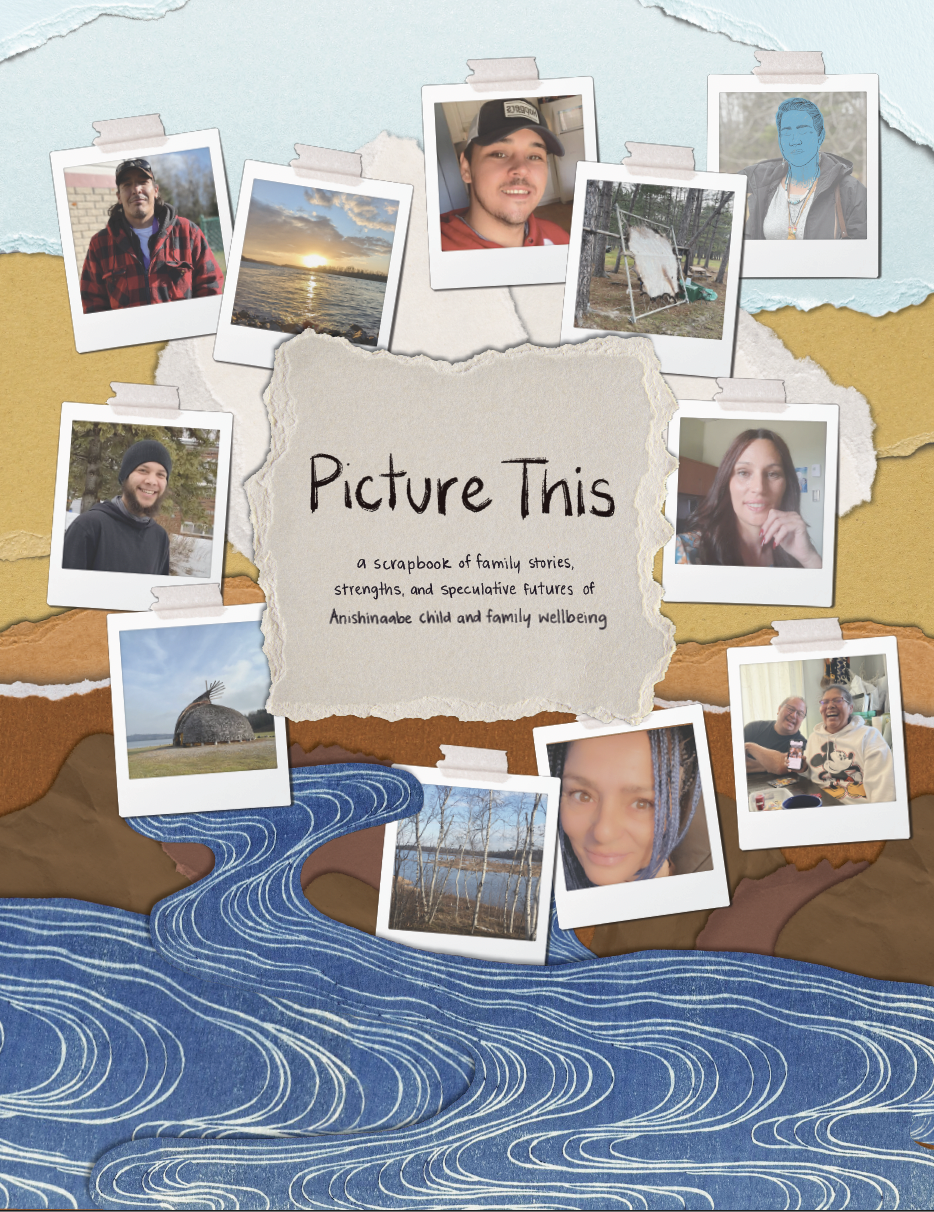
A comprehensive ethnographic synthesis capturing 31 family and individual narratives across the child welfare continuum, documenting intergenerational experiences, visions for healing, systemic barriers, and strategic opportunities for community-led child well-being redesign.
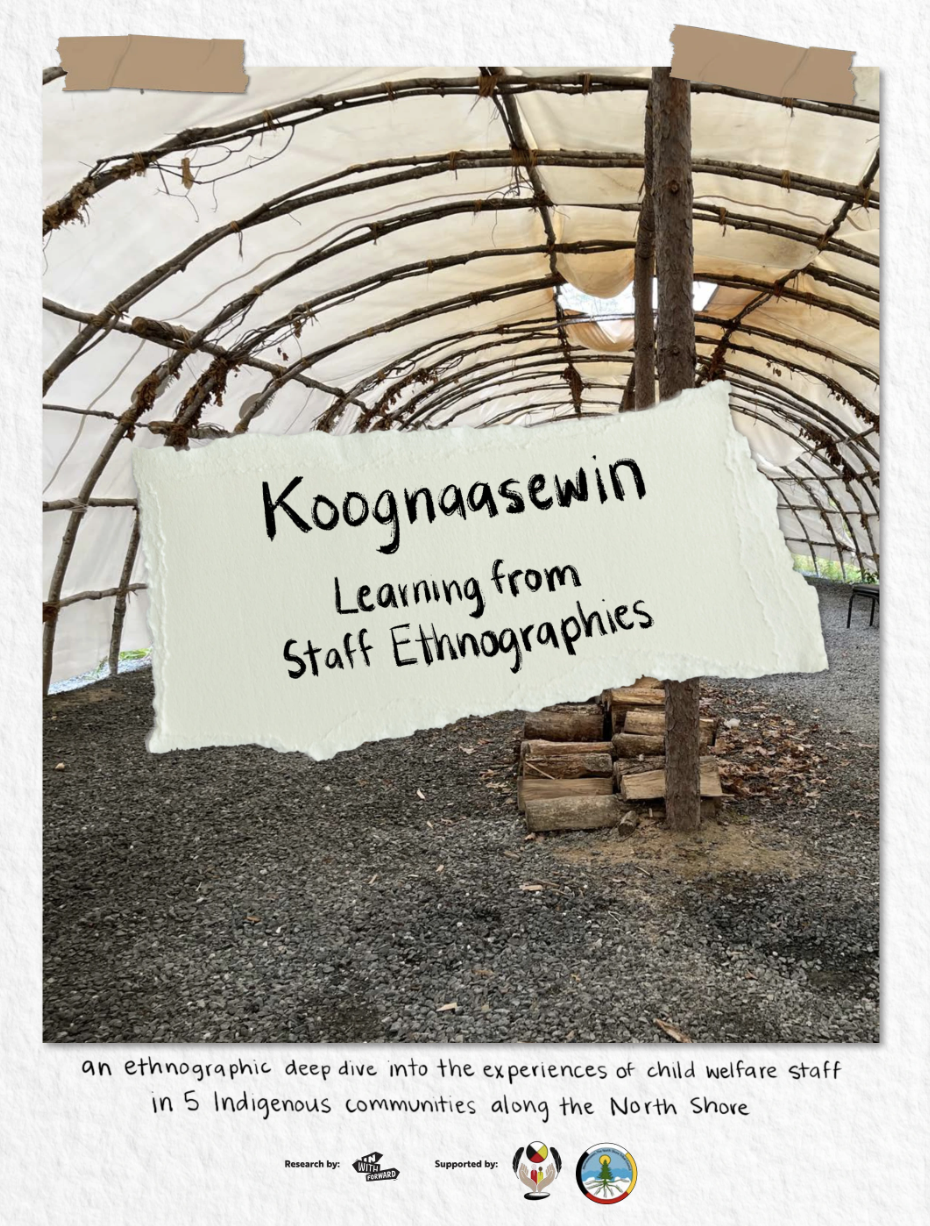
An organizational ethnographic deep dive into the experiences of frontline workers, leadership, and service providers across five North Shore First Nations communities, identifying systemic barriers, operational realities, and opportunities for policy, practice, and governance innovation.
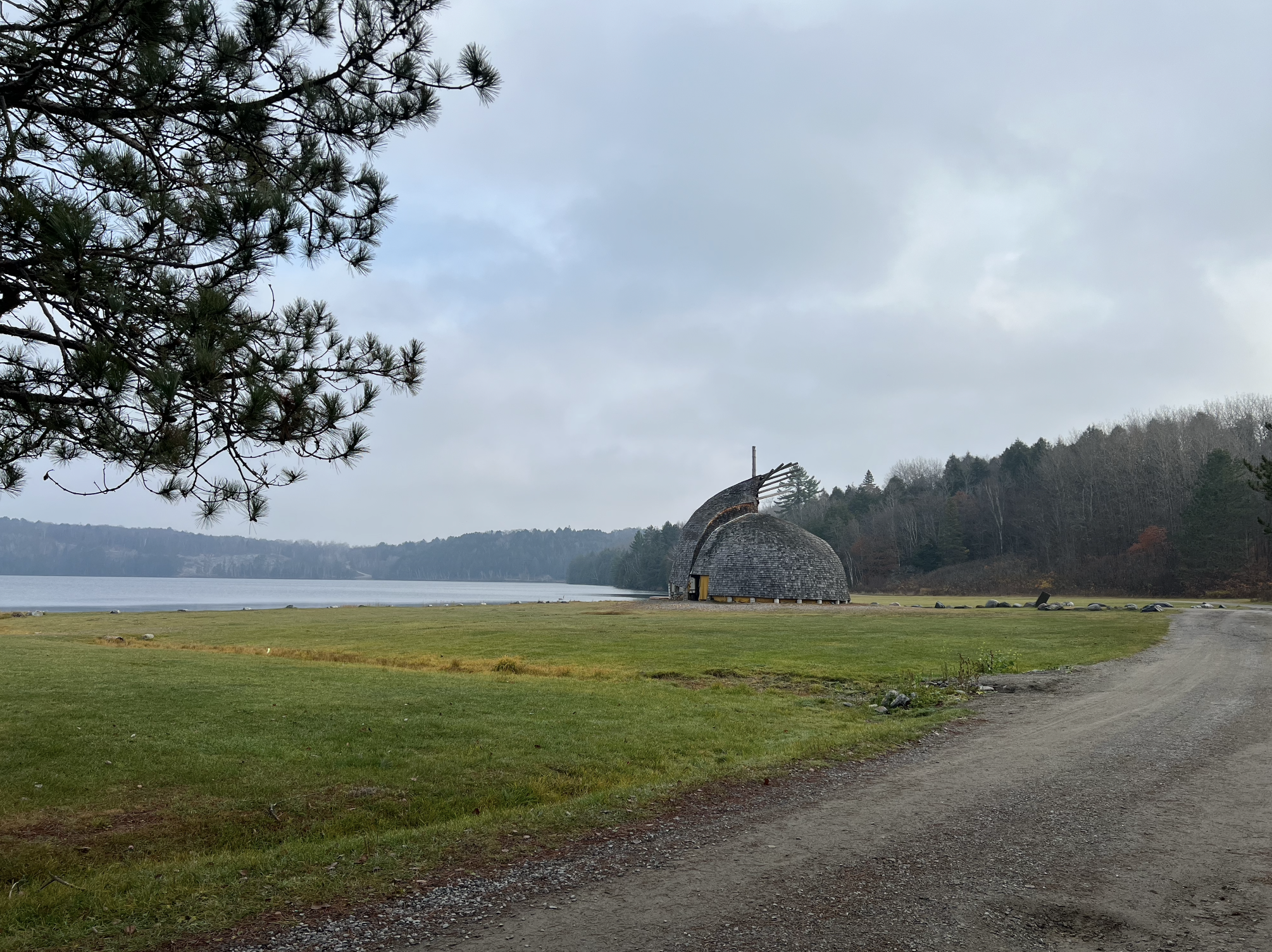
Full case study available upon request.
Roles: Lead Designer, Co-researcher, Facilitator
Collaborators: Natalie Napier, Rochelle Nieuwenhuis, Nina Schmitz, Dr. Sarah Schulman